Write your awesome label here.
The most complete online BRAIN® source.
Through optimal processing of the brain, we offer tools for your rehabilitation potential, support others in their cognitive journey, and agency to propel your own personal experiences forward.
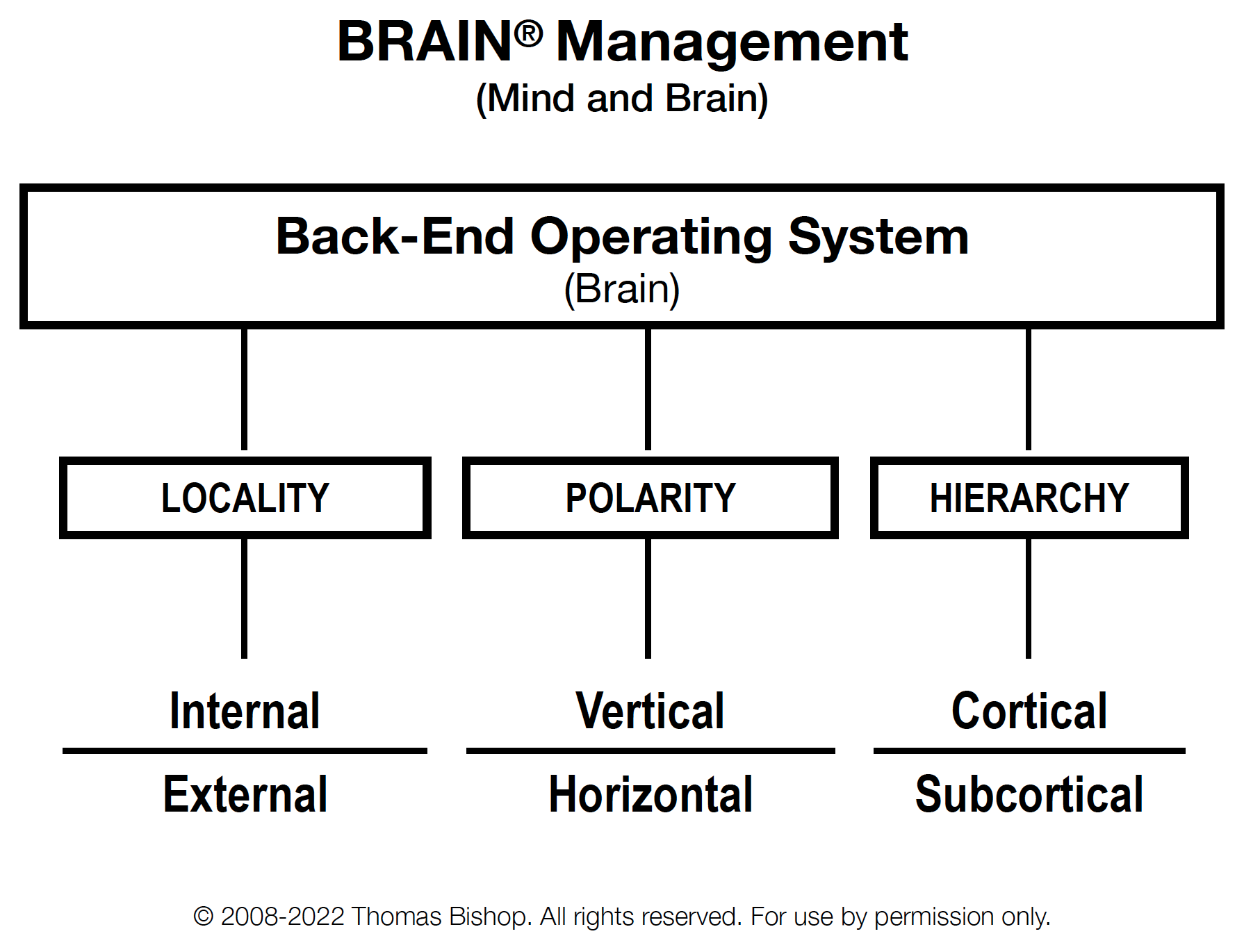
Bishop Rehabilitation Approach in Neuroprocessing (BRAIN®)
A system of theories, models, and approaches to facilitate brain synchrony and optimal neuron-glial processing of the brain.
ABOUT BRAIN®
FRONT-END
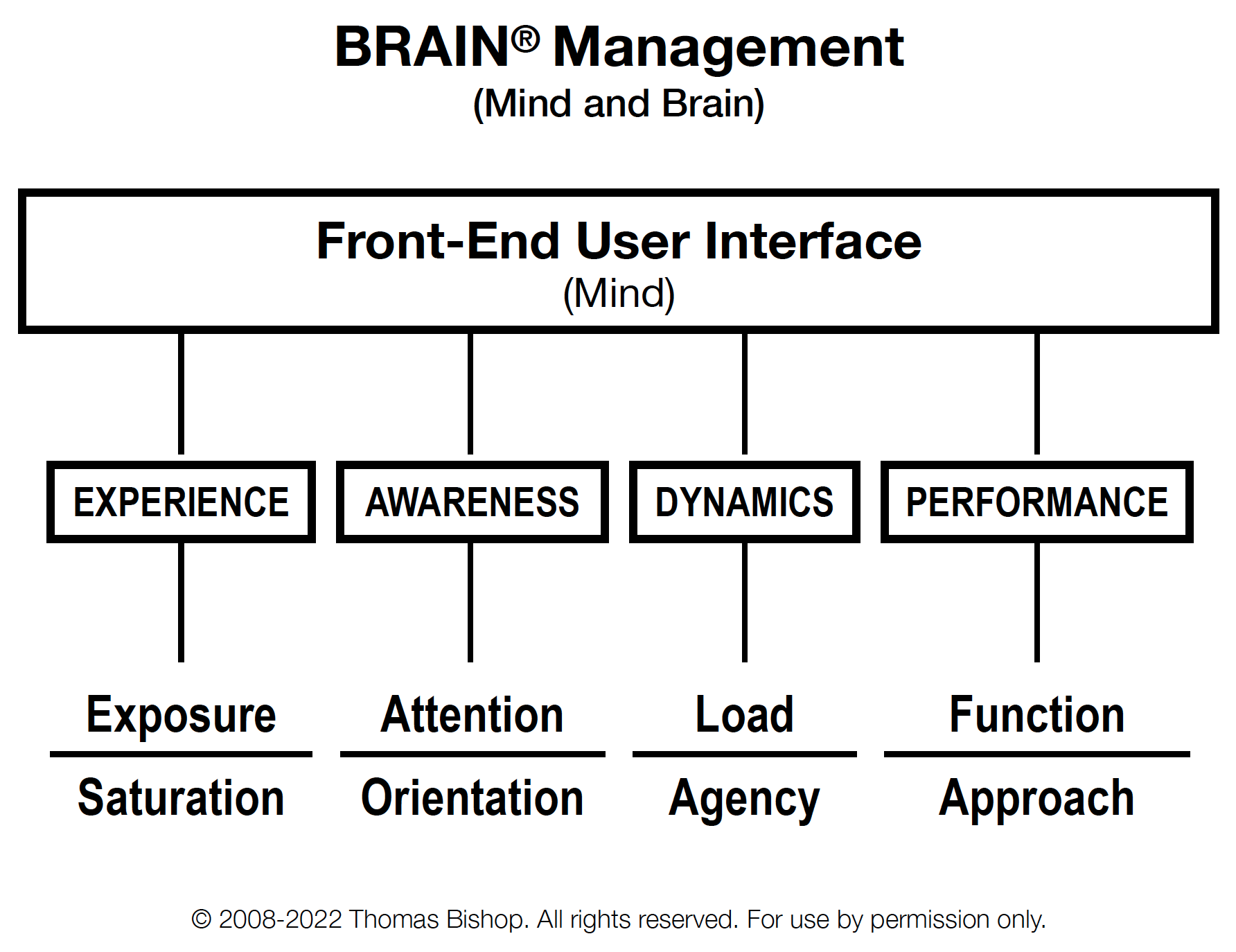
The mind is the part of your brain that you experience.
It is the part of your brain that faces you, like the screen of your smart phone -- this is the Front-End (user interface). You use your screen to manage the function of your phone.
Similarly, you use your mind to manage the function of your brain.
It is the part of your brain that faces you, like the screen of your smart phone -- this is the Front-End (user interface). You use your screen to manage the function of your phone.
Similarly, you use your mind to manage the function of your brain.
BACK-END
PRIMARY GOAL
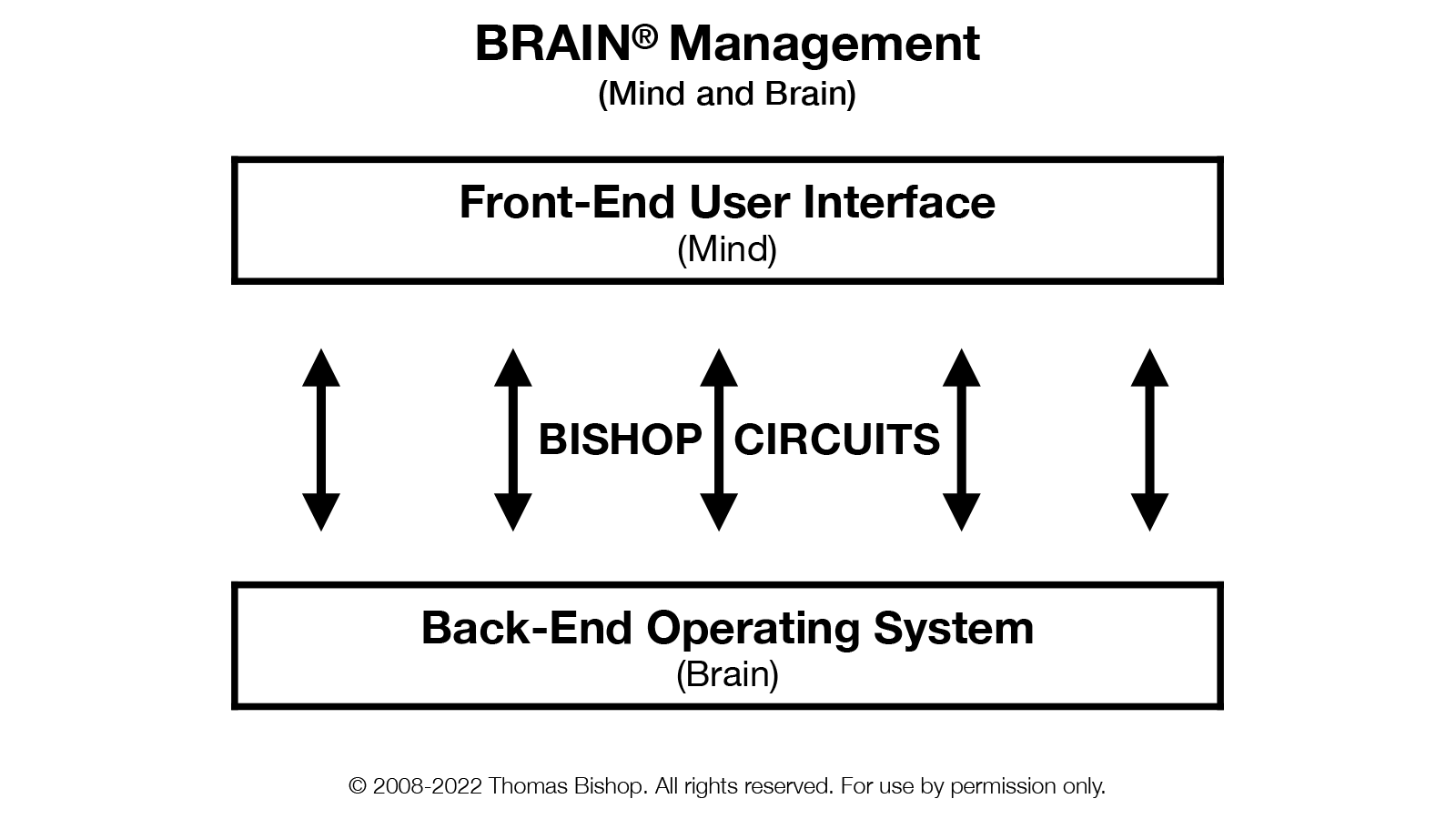
The primary goal is to manage the Front-End (user interface, mind) in order to facilitate a strong experience that can influence the Back-End (operating system, physical brain) to make changes through neuroplasticity and synchrony.
Essentially, to make the brain wire better with stronger synapses and more diverse connections and brain waveforms.
Essentially, to make the brain wire better with stronger synapses and more diverse connections and brain waveforms.
BRAIN® APPLIED
- optimize cognitive processing
- enhance conscious experiences
- pursue significant lifestyle changes
- improve your understanding and performance
- better your communication and relationships
- advance your professional interests or career
- navigate sensitive social and cultural conflicts
- contribute to meaningful conversations
- influence change and make your mark
- focus on recovery or rehabilitation

We help you reach your unrealized goals
Systemic Dysfunction
Functional Oscillation Gaps (FOG)
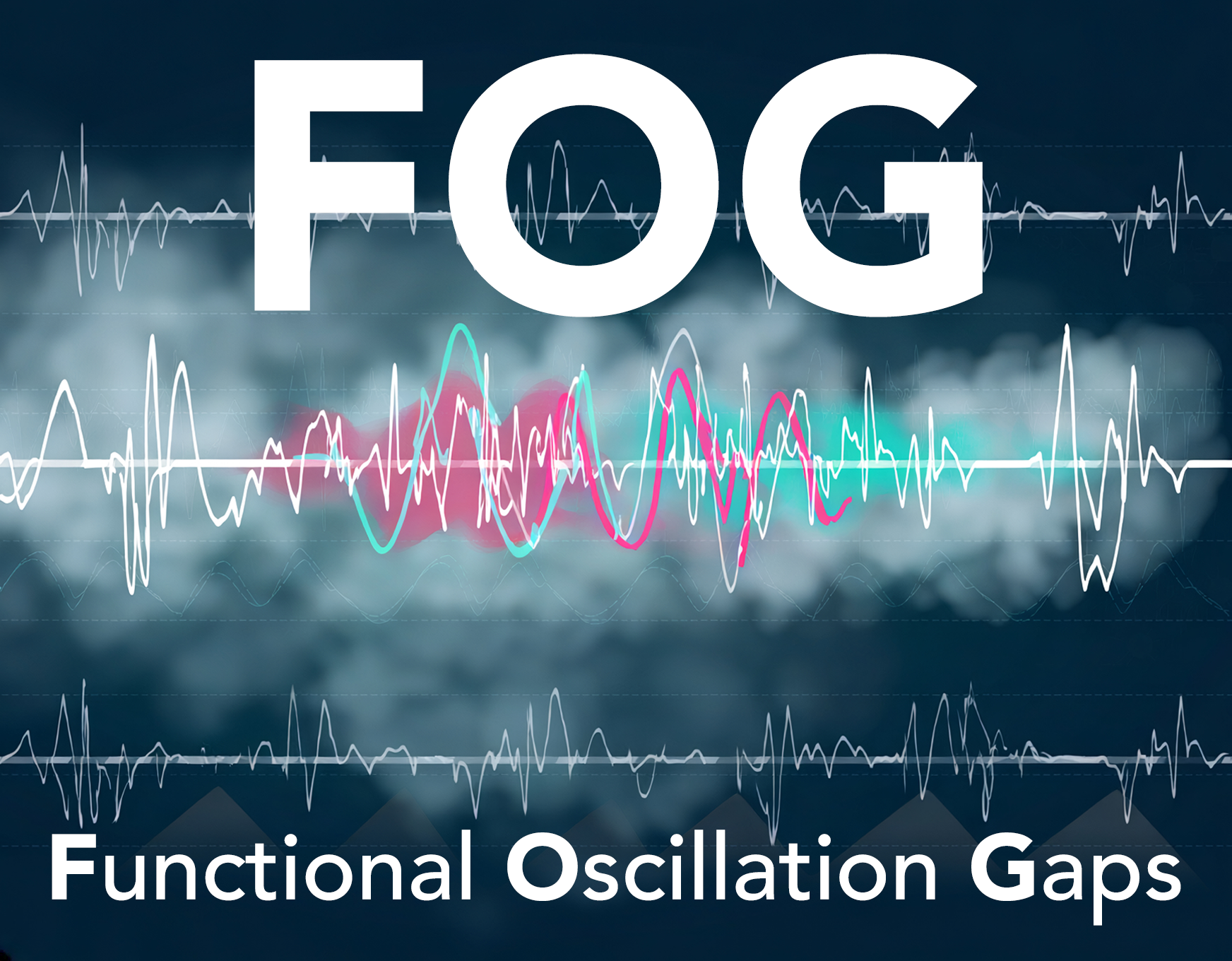
Symptoms Linked to These Gaps
Brain-fog
Coaching
Brain-fog coaching is associated with managing functional oscillation gaps by targeting the underlying, often invisible, electrophysiological disturbances in the brain that cause cognitive impairment, fatigue, and memory issues. Brain fog is increasingly viewed not just as a subjective feeling but as a physiological manifestation of imbalances in brain network communication.
Coaching enhances neural plasticity, facilitating the transition from suboptimal, disconnected, or desynchronized brain states to efficient, coordinated patterns necessary for skill acquisition and improved working memory.
Coaching enhances neural plasticity, facilitating the transition from suboptimal, disconnected, or desynchronized brain states to efficient, coordinated patterns necessary for skill acquisition and improved working memory.
Neuroinflammation
Coaching
Neuroinflammation Coaching is associated with addressing "Functional Oscillation Gaps"—or more broadly, disrupted neural oscillations—by identifying and mitigating chronic brain inflammation that degrades synaptic plasticity and network connectivity. Neuroinflammation, marked by microglia activation and elevated cytokines, is directly linked to weaker theta and gamma oscillations, which are crucial for cognitive function.
Neuroinflammation Coaching acts on the underlying cause (inflammation) that creates the "gap" in functional, rhythmic brain activity (oscillations).
Neuroinflammation Coaching acts on the underlying cause (inflammation) that creates the "gap" in functional, rhythmic brain activity (oscillations).
Chemo-brain
Coaching
Chemo-brain coaching is associated with managing cognitive dysfunction caused by chemotherapy, which induces Functional Oscillation Gaps—or disruptions in synchronized brain waves.
These gaps impair communication between brain regions (e.g., hippocampus and frontal cortex), causing memory, attention, and executive function deficits.
Chemo-brain coaching addresses these deficits to help improve memory, executive function, and overall cognitive speed by compensating for the neural disruptions caused by chemotherapy, a systemic cancer treatment.
These gaps impair communication between brain regions (e.g., hippocampus and frontal cortex), causing memory, attention, and executive function deficits.
Chemo-brain coaching addresses these deficits to help improve memory, executive function, and overall cognitive speed by compensating for the neural disruptions caused by chemotherapy, a systemic cancer treatment.
COVID-19 Coaching
Functional oscillation gaps associated with COVID-19 brain fog refer to disruptions in the brain's neural activity, specifically in its rhythmic electrical oscillations, which correlate with cognitive decline, fatigue, and memory issues.
COVID-19 coaching improves neuroinflammation and "functional oscillation gaps" by targeting the underlying neural dysregulation that causes brain fog. COVID-19 can trigger persistent microglial activation and disrupt white matter integrity, which slows down the communication between different brain regions.
Attention
Coaching
Attention coaching closes the functional gaps in brain oscillations by teaching the brain to better regulate its own rhythm, facilitating improved, faster, and more accurate processing of information.
These oscillatory patterns are not static; they are highly dynamic and are modulated by the "perceptual load" of a task—when a task becomes harder, the brain's oscillation patterns change to manage the increased cognitive demand.
Coaching strengthens attentional gain by training the brain to better synchronize its own neural oscillations, thereby reducing or eliminating the functional gaps that cause communication impairments.
Memory
Coaching
Memory coaching is associated with addressing Functional Oscillation Gaps—often manifesting as disrupted neural synchronization or "functional disconnections" in the brain—by using targeted cognitive exercises to enhance neuroplasticity and improve the coordination between brain regions responsible for memory encoding and retrieval.
These gaps, characterized by impaired theta-gamma coupling (needed for memory) or increased slow-wave activity (associated with cognitive decline), are targeted by coaching techniques to strengthen synaptic connections and restore effective communication across cortical areas.
These gaps, characterized by impaired theta-gamma coupling (needed for memory) or increased slow-wave activity (associated with cognitive decline), are targeted by coaching techniques to strengthen synaptic connections and restore effective communication across cortical areas.
Executive Function
Coaching
Executive Function (EF) coaching addresses "functional oscillation gaps"—the disconnect between potential and daily performance often caused by underlying, underdeveloped, or disrupted neuronal oscillations (e.g., ADHD).
Coaches bridge these gaps by providing behavioral strategies to improve planning, self-regulation, and organization while targeting neural improvements.
In essence, while neurofeedback or other interventions might address the physical oscillation gaps directly, EF coaching acts as a functional bridge to manage the daily life consequences of those gaps.
Coaches bridge these gaps by providing behavioral strategies to improve planning, self-regulation, and organization while targeting neural improvements.
In essence, while neurofeedback or other interventions might address the physical oscillation gaps directly, EF coaching acts as a functional bridge to manage the daily life consequences of those gaps.
Cognitive Speed
Coaching
Cognitive speed coaching addresses neuroinflammation and oscillation gaps by treating the brain not just as a "thinking" organ, but as a high-speed communication network. When neuroinflammation is present, the "insulation" of our neural wiring (myelin) can be compromised, leading to a breakdown in timing—the "functional oscillation gap."
The greatest risk in cognitive speed coaching is over-taxing a system that isn't ready. Monitor for Cognitive Post-Exertional Malaise (C-PEM). If speed drills lead to a "crash" the next day, the neuroinflammation is still too high, and the intensity must be dialed back to focus on vagal tone first.
The greatest risk in cognitive speed coaching is over-taxing a system that isn't ready. Monitor for Cognitive Post-Exertional Malaise (C-PEM). If speed drills lead to a "crash" the next day, the neuroinflammation is still too high, and the intensity must be dialed back to focus on vagal tone first.